Featured
Table of Contents
It is very important to remember that treatment requires time. As always, do not hesitate to share your experiences below. All the finest.
Credit rating: SimplyPsychology Injury and sorrow are deeply intertwined. Whether the trauma entails the loss of an enjoyed one, safety, virtue, or a feeling of control, despair is a natural component of the healing procedure. It is a mourning: not simply for what was lost, however, for what might have been.
Addressing Phobias through Eye Movement Therapy for Observed and Experiential Integration therapy
Recovery from injury is deeply individual, and no one course functions for every person. There are lots of efficient therapy options that sustain people with the different stages of injury healing.: Traditional therapy with a trauma-informed medical professional can help individuals process and reframe their experiences in a safe atmosphere.

Understanding the stages of injury healing can help light up the course onward. Whether you're deep in the emergency situation stage or browsing lasting recovery, you are not damaged, you are healing.
In today's busy, always-on globe, stress and anxiety has become a significant mental health and wellness problem. The WHO says that.
Also when symptoms have actually decreased, psychological trauma can create excruciating memories or emotions long after the occasion Some individuals will certainly recover from emotional injury after days or weeks, while others may experience more long-term results. Even when signs and symptoms have actually decreased, emotional trauma can trigger uncomfortable memories or feelings long after the occasion, normally in reaction to particular triggers.
Childhood Adverse Experiences Treatment with Eye Movement Desensitization and Reprocessing
Emotional or emotional trauma happens when an individual experiences difficult occasions that shatter their complacency, making them feel deeply unsafe or defenseless. Any event that evokes extreme negative feelings can be stressful, whether it is observing, listening to, or being associated with a traumatic occasion. Individuals who experience emotional injury often deal with upsetting emotions, memories, and stress and anxiety that do not go away.
Childhood injury can be especially long-lasting, because experiences in youth impact a child's mind development and impact exactly how they watch themselves and their environment. If the trauma is left unsettled, a feeling of worry and helplessness can rollover right into adulthood, setting the phase for additional trauma. Examples of events that can result in emotional and emotional trauma consist of: Single events, such as a crash, injury, or a violent attack All-natural calamities Domestic physical violence, physical or emotional abuse, bullying, or childhood disregard Residing in a crime-ridden community Battling a serious disease Commonly overlooked causes of emotional trauma include: Surgery, especially in the very early years of life Unexpected death of an enjoyed one Broken connections Humiliating or frustrating experiences, particularly if they entail deliberate cruelty Shock, rejection, shock Confusion Difficulty focusing Anger, impatience, state of mind swings Stress and anxiety and are afraid Sense of guilt, shame, self-blame Withdrawal from others Feeling sad or hopeless Feeling disconnected or numb Nightmares Racing heart beat Pains and pains Muscular tissue tension Cravings changes The procedure of recovery from psychological injury differs for every individual, and helps someone might not work for an additional.
Doing a few 10-minute exercise sessions throughout the day are a good place to begin. Rhythmic exercises that include your arms and legs are the ideal. Attempt concentrating on your body as you are doing the activities. Stay clear of separating from various other individuals, due to the fact that it just makes negative emotions worse. Linking with others can aid you recover.
ART: A Innovative Approach
Trauma-Informed Treatment in Behavioral Wellness Providers. Rockville (MD): Material Misuse and Mental Health Providers Management (United States); 2014. Phase 3, Recognizing the Impact of Trauma.
Terrible experiences can have long-lasting impacts. Injury arises from exposure to an event or collection of incidents that can be upsetting, frightening, or demanding. Whether it be from a criminal activity, a crash, or abuse, the outcome of trauma can influence a person's capability to deal. Injury recovery is the process helpful people get liberty from the negative and devastating results of their trauma.
What You Should Expect about a qualified EMDR-certified Therapist specializing in Anxiety therapy
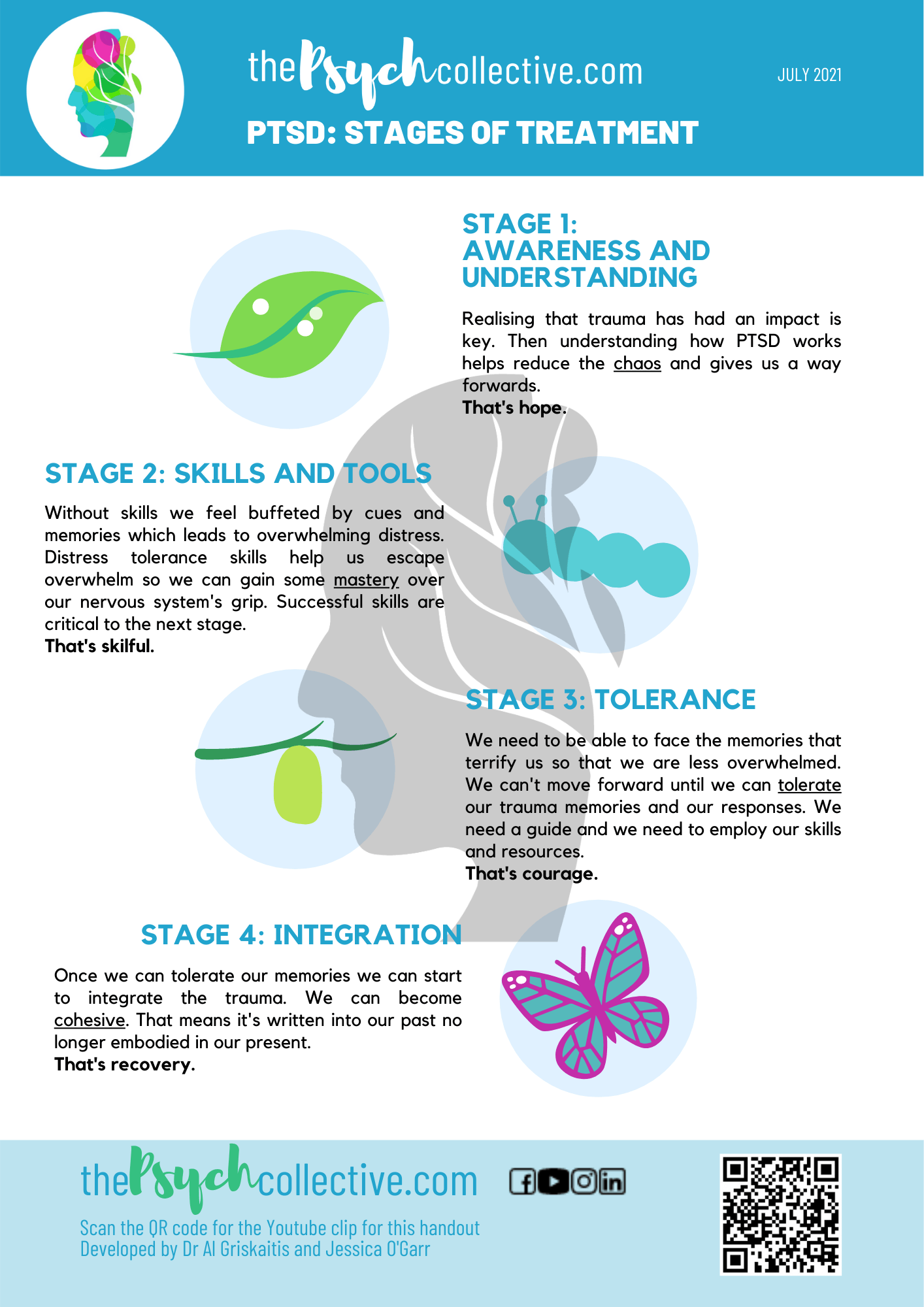
Conquering trauma does not happen over night it will entail directed development of various stages with the help of a specialist psychologist or specialist. The effects of injury are varied and complicated. For those who have actually been with emotional and psychological injury, or been identified with trauma (PTSD) or other trauma-related disorders, it is very common for symptoms to provide as shock, denial, confusion, difficulty focusing, high degrees of anxiety, impatience, mood swings, or feeling afraid.
There are no rules on what can or can not create injury it is necessarily a psychological feedback to an occasion that has actually influenced an individual in an adverse means. However, regardless of the reason, it is possible for trauma to be successfully taken care of each trip is various, but the stages (or phases) of trauma recovery can be categorised to provide a structured course in the direction of recovery.

Table of Contents
Latest Posts
Processing Birth Experiences Gradually Through Couples therapy
Couples Counseling in the Context of Sexual Issues with Building Healthy Self-Esteem
From Performance Pressure to Balanced Achievement
More
Latest Posts
Processing Birth Experiences Gradually Through Couples therapy
Couples Counseling in the Context of Sexual Issues with Building Healthy Self-Esteem
From Performance Pressure to Balanced Achievement